

Why Freight Rates Are Rising Again: The Impact of the Strait of Hormuz Crisis
The global logistics industry has faced several major disruptions in recent years.
First came the pandemic. Then the Red Sea crisis. Now, supply chains are once again feeling the effects of geopolitical tensions in the Middle East.
The Strait of Hormuz, one of the world's most important maritime chokepoints, remains a significant source of uncertainty for global trade. Around 20% of the world's oil and gas traditionally passes through this narrow waterway, making any disruption immediately relevant for transport and logistics markets worldwide.
Why Does This Matter For Freight Rates?
Many importers assume the Strait of Hormuz only affects oil prices.
In reality, the impact reaches much further.
When shipping routes become unsafe or restricted, carriers face:
- Higher fuel costs
- Increased war-risk insurance premiums
- Vessel congestion
- Capacity shortages
- Longer transit times
- Operational uncertainty
These additional costs inevitably find their way into freight rates. Several carriers have already introduced surcharges or increased spot market pricing to offset rising operational expenses.
Ocean Freight Is Feeling The Pressure
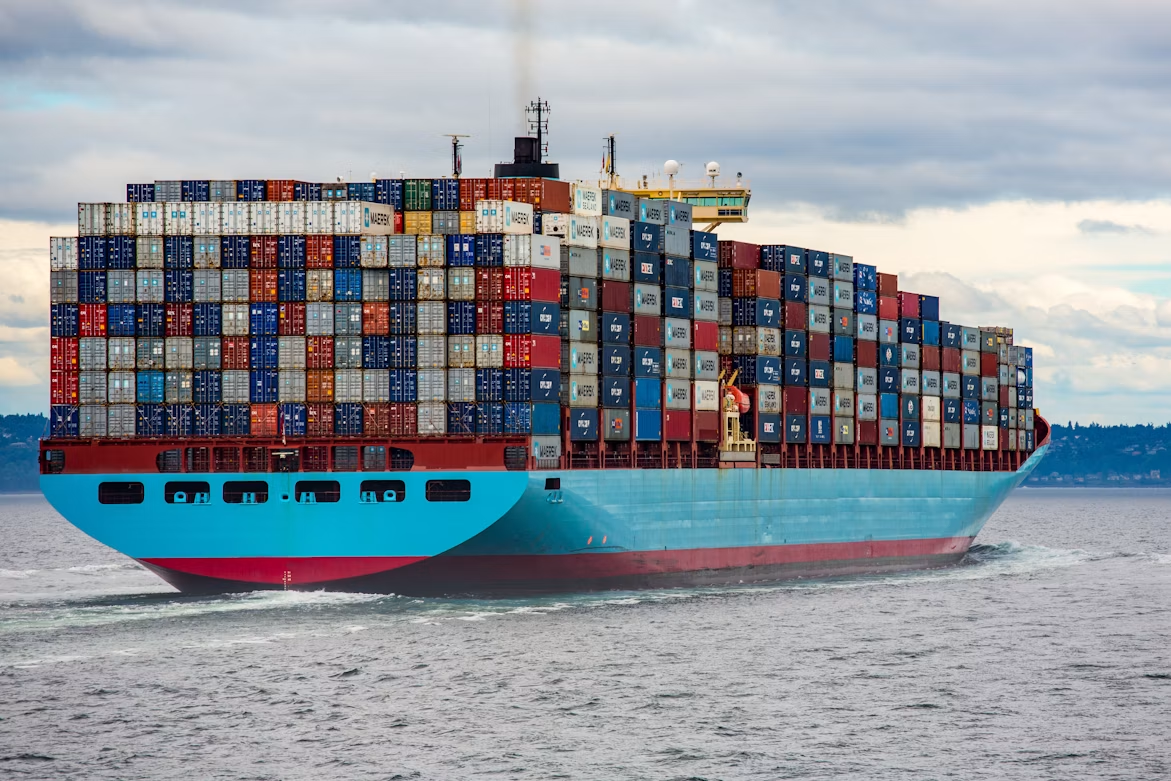
Container shipping lines may not all transit the Strait of Hormuz directly, but they are still affected by rising bunker fuel costs and increased insurance expenses.
As a result, freight rates on several major trade lanes have moved upwards in recent months. Market analysts continue to warn that prolonged disruption could create further upward pressure on rates and equipment availability.
For importers, this means budgeting for transportation has become increasingly challenging.
Air Freight Is Also Affected
Higher fuel prices do not only impact ocean freight.
Airlines are equally exposed to rising energy costs. At the same time, some companies are switching urgent cargo from sea freight to air freight to avoid supply chain disruptions.
This additional demand can tighten capacity and place upward pressure on airfreight rates, particularly on routes connecting Europe, the Middle East and Asia.
What Should Importers Do?
Periods of uncertainty require proactive planning.
We recommend:
- Booking shipments earlier than usual
- Reviewing inventory levels
- Considering alternative routings
- Evaluating multimodal transport options
- Monitoring market developments closely
Companies that wait until rates have already increased often face fewer options and higher costs.
How Care 4 Cargo Can Help
At Care 4 Cargo, we continuously monitor developments affecting global supply chains.
Whether you require:
- Ocean Freight
- Air Freight
- Rail Transport
- Time-Critical Logistics
- Alternative Routing Solutions
our team can help identify the most suitable option for your shipment.
In uncertain markets, experience and flexibility become more valuable than ever.
Need Current Market Advice?
If you are planning shipments from Asia, the Middle East or other affected regions, contact our team for the latest market information and available transport solutions.
The logistics market may be changing rapidly, but with the right planning, your supply chain does not have to.